
October 08, 2026



Most bedtime characters arrive by accident. You are tired, the light is already off, and you improvise a hedgehog who has lost his hat. Your child giggles, settles, and the next night asks for the hedgehog again. That is how a tradition starts — not with a plan, but with a repeat request.
The tricky part is the fifth night. A character who delighted on Monday can feel thin by Friday if they have no world, no habits and nowhere to go. The good news is that a character sturdy enough to last for months takes about twenty minutes to build. Here is how to do it properly, and how to keep each night's story short enough to tell when you are half asleep yourself.
Before you invent anything, decide how the last thirty seconds should feel. Not excited. Not curious about what happens next. Settled. Safe. Slightly drowsy. That single decision shapes everything else.
So build a character whose nature is comfort. Give them a quiet purpose: a lamplighter who walks the lanes switching off lights, a small bear who checks that every toy in the house is asleep, a mouse who keeps the moon dusted. A character with a job has somewhere to go each night, which saves you from inventing a plot from nothing.
For names, choose something soft and easy to say in the dark. Two syllables usually work well — Bramble, Ossie, Nia, Tilly, Milo. Avoid anything you will trip over at 7.45pm.
Children do not need complicated personalities. They need something to recognise, the way they recognise a favourite jumper. One trait and one flaw is plenty.
That flaw is doing the heavy lifting. It creates gentle tension without threat, and it lets your child feel clever because they can often spot the solution before the character does.
The specifics that land best are usually the ones under your nose. The creak on the third stair. The blue mug nobody uses. The cat who sleeps in the airing cupboard. Put those into the character's world and your child will feel that the story belongs to your house.
You do not need a map. You need four or five answers you can repeat without checking your notes, because children notice inconsistency faster than adults do. If the character's front door is green on Tuesday, it had better still be green on Thursday.
Answer these quickly and write them down:
A world with one firm rule is more convincing than a world with ten. "Nobody in the valley is ever lost for long" does more work than a page of description.
Stories told at bedtime need a rhythm your child can predict, because predictability is what makes them feel secure. This five-part shape takes three to five minutes and never fails:
Repetition is not laziness. It is the whole point. Your child is learning the shape, and by the fourth night they will be whispering the closing line along with you.
Leave out peril, villains and cliffhangers. A bedtime story that ends mid-worry leaves a child holding the worry. Bring the problem, solve it, close the door on it.
Two characters is generally enough for a nightly tale. Adding someone new every night dilutes the world and gives you more to remember. Reuse the same companion — the neighbour, the cousin, the dog — and let their habits do the entertaining.
Also resist the urge to add a moral. If your story is about sharing, let the sharing happen and say nothing more about it. Children absorb the lesson from the action, and a spoken moral makes the whole thing feel like homework.
Once the character is familiar, hand over some of the steering. Ask what Bramble should do next, or which friend he should visit. Let your child name a hill, a shop, a boat. These small contributions turn your invention into something you built together, and they will defend it fiercely.
You can also let them choose the ritual. A catchphrase they can shout. A sound effect. A particular way of saying goodnight that belongs only to this character. Rituals are what children ask for by name.
You will forget details. Everyone does. Keep a note on your phone, or a scrap of paper inside a bedside drawer, listing the character's name, their flaw, their two companions and the closing line. Add a line each time you invent a place. That is the entire system.
If you miss a night, nothing is ruined. Characters survive gaps. Just open the next story with the familiar line and carry on.
Here is a simple plan to get a new character established without exhausting yourself.
After a fortnight you will have a character with a house, a habit, a friend and a way of saying goodnight. Your child will have something steadier than a story: a place they can go to in their head when the room is dark.
One sensible note. If your child is regularly struggling to settle, or their worries at bedtime are persistent and distressing, that is worth raising with your GP or health visitor rather than solving with stories alone. A bedtime character is a lovely comfort, not a treatment.
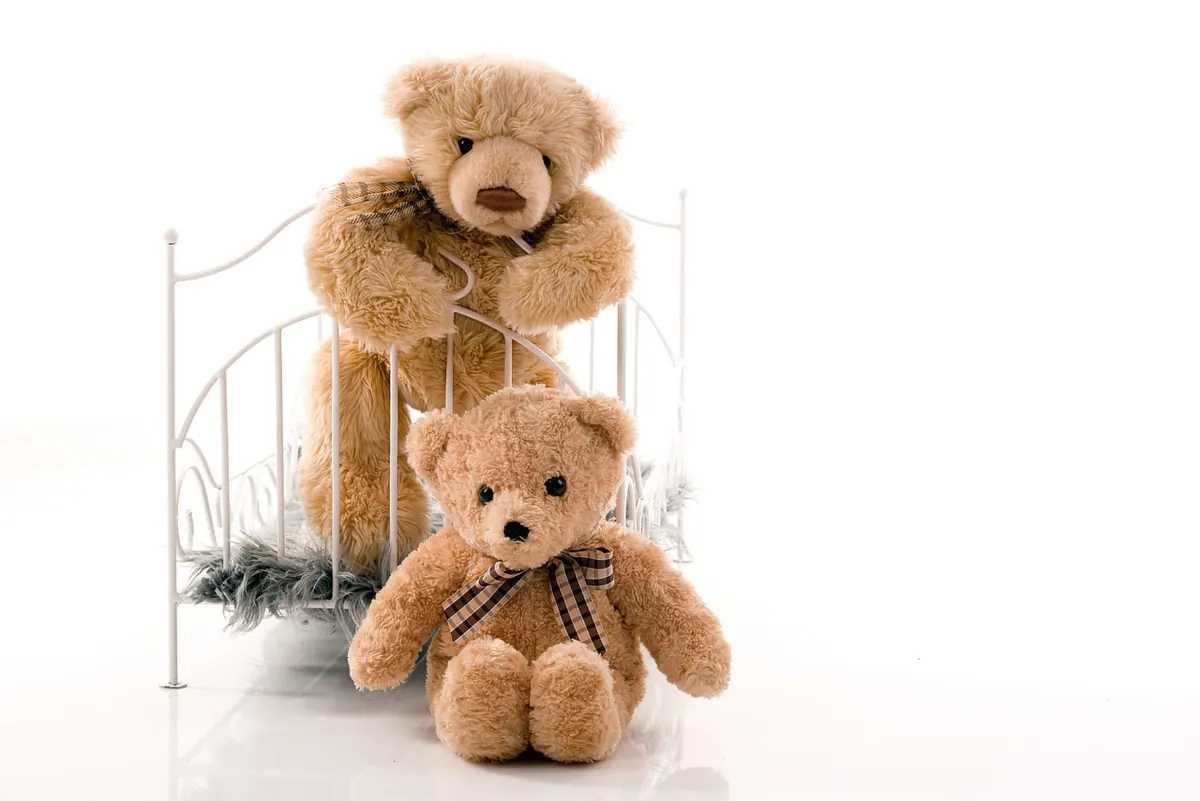
Photo: MirelaSchenk / Pixabay

A cozy nest for stories and imagination..
Copyright © 2026 Tale Nest. All rights reserved. Tale Nest.