October 08, 2026


Some bedtime stories work. Others leave a child wide awake and asking questions, and the difference is rarely the plot. A story that ends with heavy eyelids has usually been built, sentence by sentence, for exactly that job: to slow a busy day down and leave nothing sharp behind.
What follows is a working checklist for anyone who reads aloud at the end of the day, and for writers who want to produce bedtime tales that families come back to night after night. None of it is complicated. Most of it is about restraint.
Read that list again and notice what is missing: conflict, jeopardy, jokes, surprises, and anything that asks a child to hold a puzzle in their head. Those belong in daytime stories. At bedtime they are fuel.
Read at about two-thirds of your normal speaking speed, and slow again for the final paragraph. Pause at full stops. Let a comma be a small breath rather than a flick.
Compare these two:
The little boat pushed away from the shore and began to drift slowly towards the middle of the lake, where the water was very still.
with
The boat moved away from the shore. It drifted. The water was still. Nobody rowed.
The second version does not carry less. It simply asks less of a tired listener. When you write, look for sentences with two or three clauses stacked together and break them apart.
By the halfway point of a bedtime story, no new characters, places or mysteries should arrive. Everything after that settles, resolves and returns. A child who meets a stranger four lines from the middle will spend the next ten minutes wondering about them.
Tone is mostly about what you leave out. No sudden noises in the text — nothing crashes, slams or shrieks. No exclamation marks after the opening lines. No cliffhangers. No "suddenly".
Aim for the voice you would use to tell someone about a pleasant walk you took: even, unhurried, interested but not excited. Drop your voice slightly at the end of each paragraph rather than lifting it. Children take their cues from the sound long before they follow the sense.
Shorter than you think. A rough guide:
The test is simple. If your listener is asking questions about the story, it is still working their mind. If they are asking for one more page, they are enjoying it — those are different things, and the second is fine.
Some words are soft beds and some are sharp edges. Lean on the first kind: warm, quiet, hush, snug, glow, drift, soft, slow, safe, home, wool, purr, still. Keep the second kind for daylight: crash, bang, scream, chase, claws, darkness at the end of a corridor.
Small choices carry weight. Name the child's own room, their blanket, the shape of the window. Repeat the same opening line every night — "Once there was a house at the edge of the wood" — until it becomes the sound of the day ending. A ritual does more for sleep than a clever plot ever will.
The last three lines matter more than the first thirty. The character should end up settled: asleep, home, warm, with the day behind them. Ideally the closing image echoes the opening one, so the story feels like a loop that has closed.
Then stop. The final line should be short and flat:
The lamp went out. The room stayed warm. Everyone slept.
Avoid questions at the end. Avoid a moral delivered like a parcel. Avoid "to be continued" unless you genuinely want a negotiation at nine o'clock.
Choose one story you already know and read it once through before you sit down. Check four things: is the pace slow, is the tone even, is it short enough, does it land softly? Cut one sentence that adds nothing. Read the last three lines aloud and let your voice fall on the final word.
Writers can use the same test. Read your bedtime tale aloud and mark every place you stumble or speed up — that is where a child will wake rather than drift. Keep a notebook of lines that worked, and reuse the structures that settle.
If a child is regularly struggling to fall asleep, stories help but they are not the whole answer; persistent sleep difficulties are worth raising with your health visitor or GP.
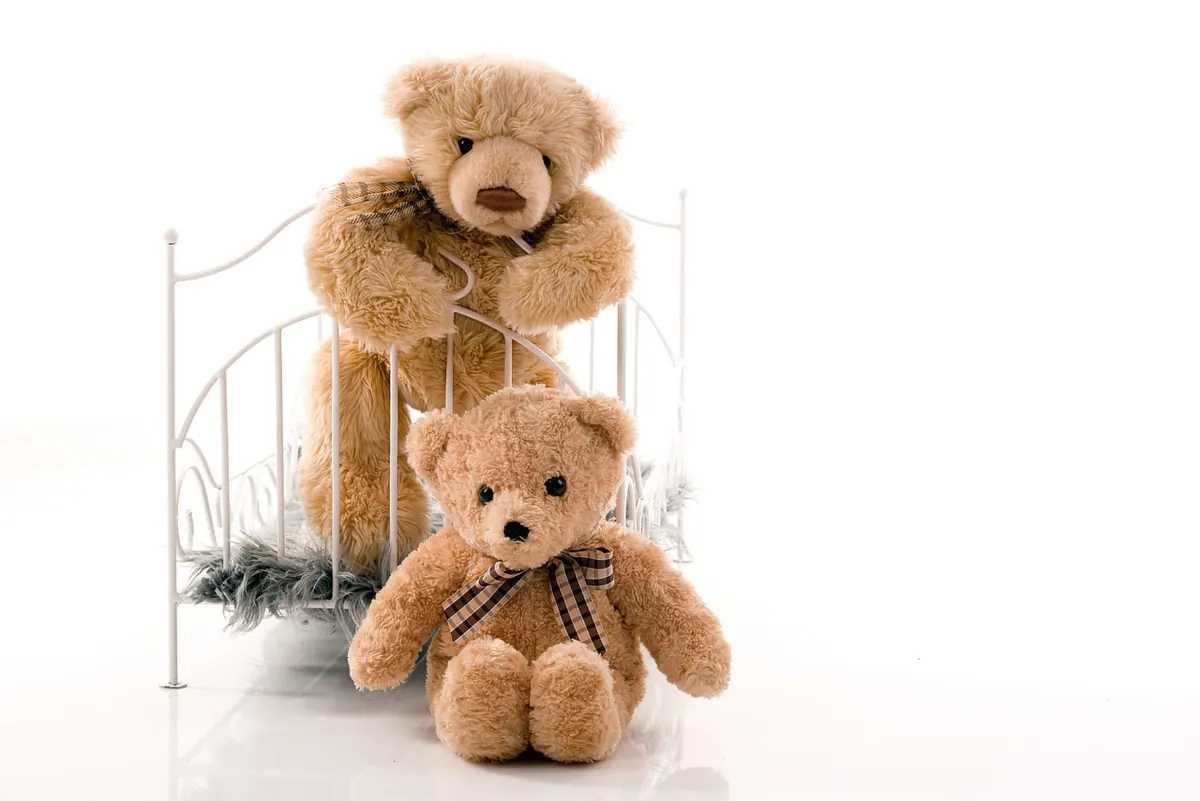
Photo: JillWellington / Pixabay
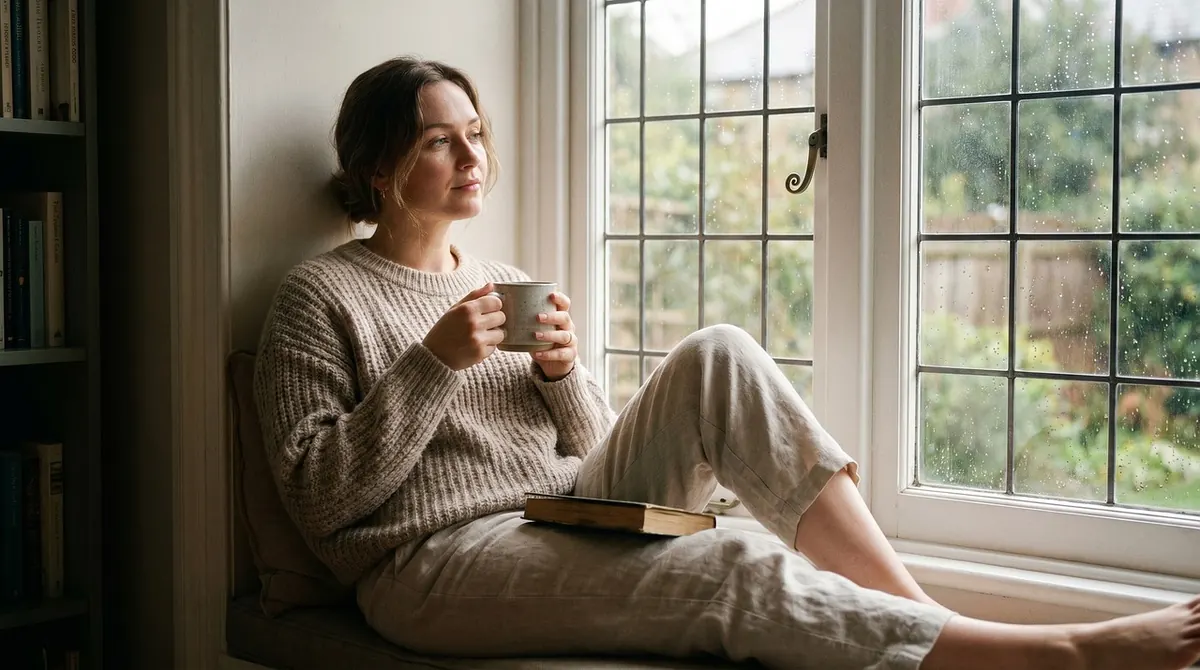
A cozy nest for stories and imagination..
Copyright © 2026 Tale Nest. All rights reserved. Tale Nest.