October 08, 2026


The clocks go back, the leaves come down, and by four in the afternoon the light has already given up. Woodsmoke drifts across the estate, the pavements are slick with rain, and somewhere a football is being kicked against a garage door in the dark. Autumn does half the work of a ghost story before you have written a word. What follows is a practical guide to using that atmosphere, and the older stories underneath it, to write short fiction that unsettles readers long after they have turned the lamp off.
New writers reach for thunder and a creaking door. British autumn offers something better: damp, decay and a creeping domesticity. The horror is stronger when it happens in a house with the heating on and a washing-up bowl in the sink.
Before you plot anything, make a list of ten things you can smell, hear or touch in your own October. Wet wool. Leaf mould. The tick of a radiator. A garden gate that has swollen in the rain and no longer shuts properly. Frost making the bin bags crackle. Sound carries further on cold nights, which is why a cough two streets away can feel like a warning.
Choose three items from your list and put them in the first page. Not as decoration, but as the things your character notices because they are already frightened and listening hard.
Spooky stories work best in places the reader recognises. A canal towpath at dusk. A fenland drove with water on both sides. The back of a retail park where the lights hum. A cemetery with a bench, a bin and a decent view. A village hall with a kitchen hatch and a noticeboard nobody has cleared since spring.
Then apply the rule: one wrong thing in an ordinary place. The pub is too warm for the time of year. The bus arrives exactly on time, which it never does. A child's coat hangs on a fence, two sizes too small and bone dry in the rain. You do not need a monster in the first paragraph — you need a detail that does not add up.
Britain has a deep cupboard to raid. Black dogs are said to haunt lanes and churchyards up and down the country, under names such as Black Shuck in East Anglia and Padfoot in Yorkshire. Boggarts belong to northern farmhouses. Marsh lights lure travellers off the safe path. Witch marks are scratched into old beams above doorways and windows, which is a gift to any writer with a cottage and a bad marriage in the plot.
Use folklore as rules and debts, not as fancy dress. A story turns when a character breaks a custom they only half-remember: the bread left out, the name not spoken after dark, the shortcut never taken on a Thursday. Avoid faux-antique language; nobody in a modern short story says thou unless they are joking. Instead, let a grandparent supply the warning and then refuse to explain it.
"Nan said you don't walk the bridleway after dark. She never said why, and I never asked, and that was the whole of it."
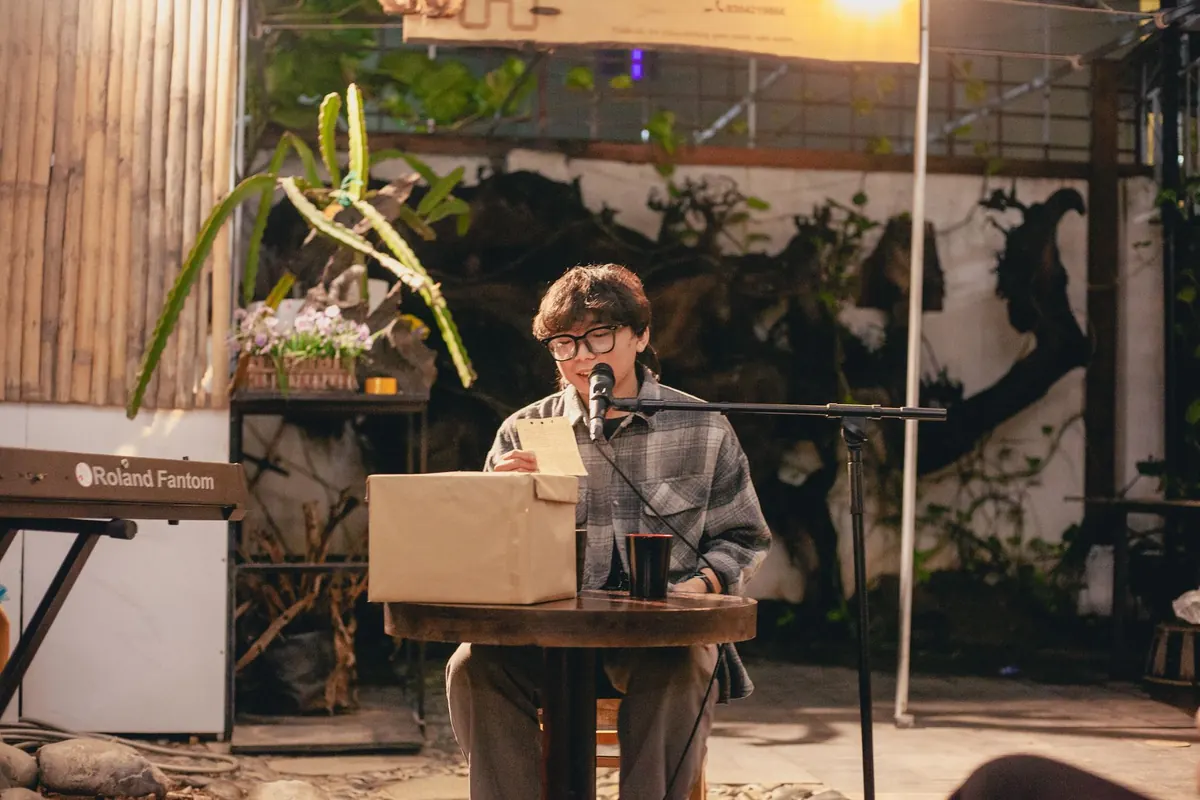
Most of the best spooky stories pretend to be spoken aloud, which is why firelight imagery still earns its place. Put two people near a heat source — a woodburner, a bonfire, a car heater on a long drive — and let one of them tell the other something they shouldn't. The listener's reactions become your punctuation: a laugh that comes too late, a question left unanswered, a refusal to look up from the fire.
Repetition does a lot of quiet work. Three knocks. Three nights. Three people who all say the same polite sentence. Keep your sentences short at the turn, then let one run long and breathless afterwards. A single line of dialogue, left plain, will land harder than three paragraphs of explanation.
Aim for a complete draft you can finish in one sitting. Short stories rarely survive being stretched.
Autumn rewards a bit of forward planning. Keep a notebook of local detail through September and October — overheard remarks at bus stops, the smell of a bonfire, the way a street looks at five o'clock when the shops have shut. Then write one story you can read aloud in ten minutes, and keep it for Bonfire Night, for a writing group, or for the October submissions window of a magazine that likes a good chill.
Read it to somebody in a room with the big light off. If they laugh in the wrong place, or ask you to leave the door open when they go home, you have done the job. Seasons change, and so does the light — but a story told well in the dark stays with people until spring.
Photo: HeikoAL / Pixabay

A cozy nest for stories and imagination..
Copyright © 2026 Tale Nest. All rights reserved. Tale Nest.